
When the first cold snap hits Hamilton County, it’s tempting to grab whatever wood is stacked by the garage and light a fire. But the wood you burn matters just as much as the fireplace you burn it in. Wet or “green” firewood is one of the most common reasons we see smoky fireplaces, stubborn fires, and fast creosote buildup during chimney sweeping visits around Noblesville, Carmel, and Fishers.
The good news? You don’t need special training to tell if firewood is seasoned. A few quick checks with your eyes, hands, and ears will tell you most of what you need to know. Here’s how to spot dry, ready-to-burn wood, and why it makes such a difference for your home and chimney.
What Does “Seasoned Firewood” Actually Mean?
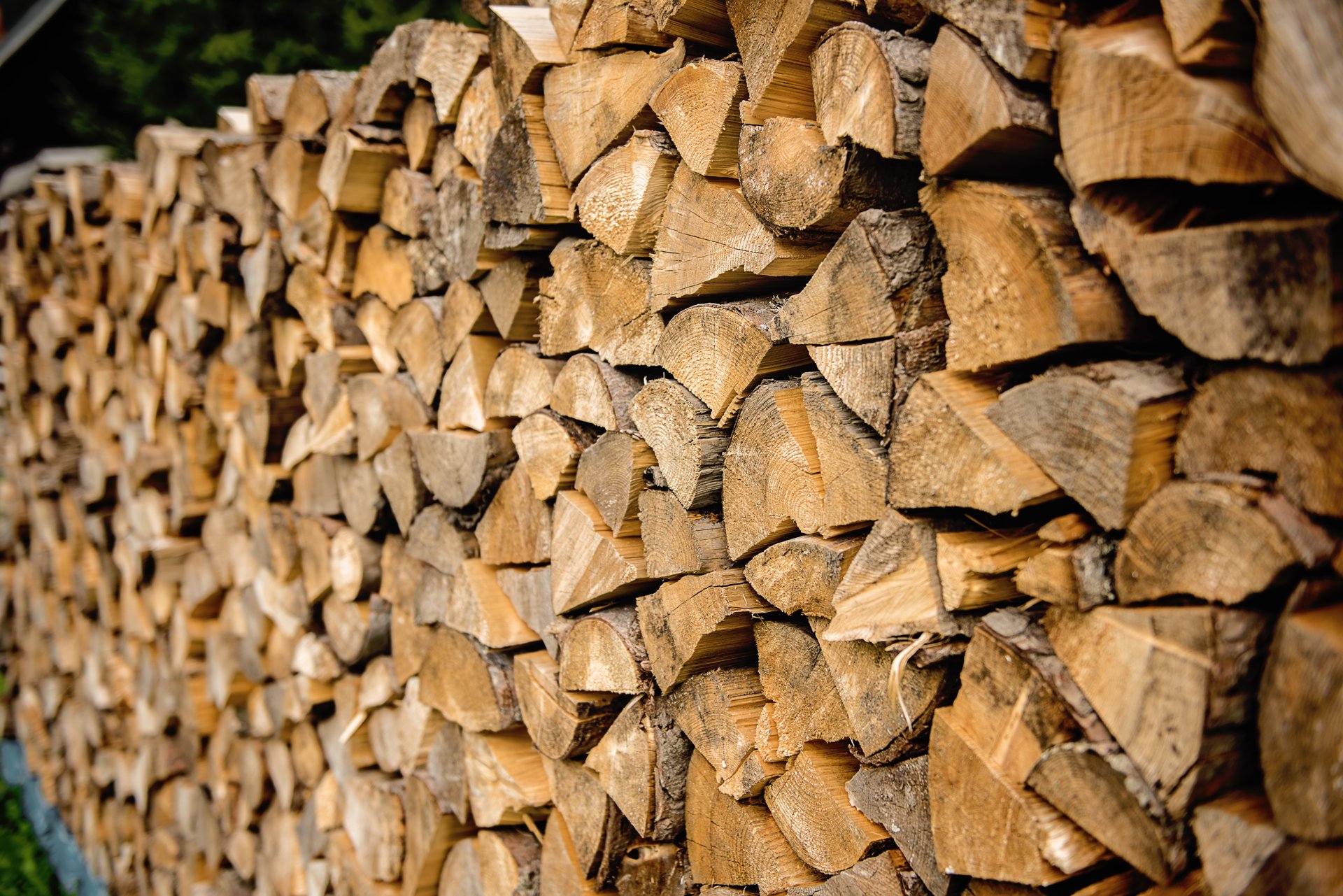
Seasoned firewood is wood that has been split and left to dry long enough for most of its natural moisture to escape. Freshly cut trees can hold a surprising amount of water, sometimes half their weight or more. According to the EPA’s Burn Wise program, properly seasoned wood should have a moisture content of 20% or less.
For most hardwoods, that usually means splitting the wood and letting it dry for at least six months, and often closer to a year for dense species like oak. Time alone isn’t the only factor, though. How the wood is split, stacked, and covered has a big impact on how quickly it dries.
How Can You Tell If Firewood Is Seasoned Just by Looking at It?
Your eyes are a great first test. Seasoned wood tends to share a few visual traits:
- Cracks in the ends: Look for splits or “checks” radiating out from the center of each log. These form as the wood shrinks while it dries.
- Faded color: Fresh-cut wood often looks bright, with a creamy or greenish tint. Seasoned wood usually turns grayer or duller over time.
- Loose or missing bark: Bark on dry wood often peels away easily or has already fallen off.
- No sap or green layer: If you peel back a bit of bark and see green or damp wood underneath, it needs more time.
Are There Other Simple Tests You Can Do at Home?
Yes. Pair a visual check with a few hands-on tests for a clearer picture.
The Weight Test
Pick up two logs of similar size. Seasoned wood feels noticeably lighter because much of its water weight is gone. Green wood feels heavy and dense for its size.
The Knock Test
Knock two pieces together. Dry wood makes a sharp, hollow “clack.” Wet wood tends to make a dull thud.
The Smell Test
Freshly split green wood often has a strong, sappy smell. Seasoned wood smells much milder.
The Moisture Meter Test
For the most accurate answer, use a simple firewood moisture meter. Split a log and press the meter’s pins into the freshly exposed face, not the outside surface. A reading of 20% or less means the wood is ready to burn.
What Happens If You Burn Wood That Isn’t Seasoned?
Burning wet wood wastes a lot of the fire’s energy boiling off water instead of heating your home. That causes a few common problems:
- More smoke: Wet wood smolders, creating heavy smoke that can drift back into the room.
- Less heat: Cooler, smoldering fires put out far less warmth.
- Faster creosote buildup: The cooler, smokier burn sends more unburned byproducts up the flue, where they condense into creosote, a flammable residue that clings to the chimney walls.
- Hard-to-start fires: Green wood is frustrating to light and tends to go out on its own.
Creosote buildup is the big concern. Over time, it narrows the flue and increases the risk of a chimney fire. That’s one reason the Chimney Safety Institute of America (CSIA) and NFPA 211 recommend having your chimney inspected every year, along with sweeping as needed.
How Should You Store Firewood So It Stays Dry?
Even well-seasoned wood can soak up moisture again if it’s stored poorly. A few simple habits help:
- Stack wood off the ground on pallets or a firewood rack to keep it away from damp soil.
- Cover the top of the pile to shed rain and snow, but leave the sides open so air can circulate.
- Stack in a sunny, breezy spot when you can.
- Keep the main woodpile away from your home’s foundation to discourage insects and pests.
- Bring in only a day or two of wood at a time.
Is Store-Bought or Delivered Firewood Always Seasoned?
Not always. “Seasoned” can mean different things to different sellers, and some wood sold in fall was cut only a few months earlier. It’s worth checking any delivery using the tests above, especially the moisture meter. If a load reads well above 20%, stack it properly and let it dry longer before burning it. Planning ahead and buying next winter’s wood in spring gives it plenty of time to dry.
Which Types of Wood Burn Best in a Fireplace?
Dense hardwoods like oak, hickory, ash, and maple burn longer and produce steady heat once they’re fully dry. Softwoods like pine light quickly and work well as kindling, but they burn faster. Whatever you choose, moisture content matters more than species. Never burn painted, stained, or pressure-treated wood, and skip trash or cardboard. These can release harmful fumes and leave behind damaging residue.
What Else Can You Do to Keep Fires Clean and Safe This Winter?
Dry wood is a great start, but a safe fire also depends on a healthy chimney system. Before your first fire of the season, make sure your flue has been cleaned and checked. A fireplace and chimney inspection can spot creosote buildup, cracked flue tiles, or damaged components before they turn into bigger problems. A properly fitted chimney cap also helps keep rain, debris, and animals out of the flue.
If your fires keep smoking even with dry wood, it may point to a draft problem, a damper issue, or a liner that needs attention. Our team can track down the cause and walk you through your options, including chimney relining when it’s needed.
Ready to enjoy cleaner, warmer fires this winter? Beck’s Chimney Sweep has been helping homeowners in Noblesville, Carmel, Fishers, and throughout Hamilton County since 1977. Call 317-773-1011 or contact us online to schedule your chimney sweeping and inspection today.